
سباق تسلح السير الذاتية بالذكاء الاصطناعي: لماذا يتعطّل التوظيف وما القادم؟
الذكاء الاصطناعي يكتب السير الذاتية. الذكاء الاصطناعي يفرزها. والجميع يخسر. منظومة التوظيف محاصرة في سباق تسلح بلا فائز، والمرشحون ومسؤولو التوظيف يدفعون الثمن.
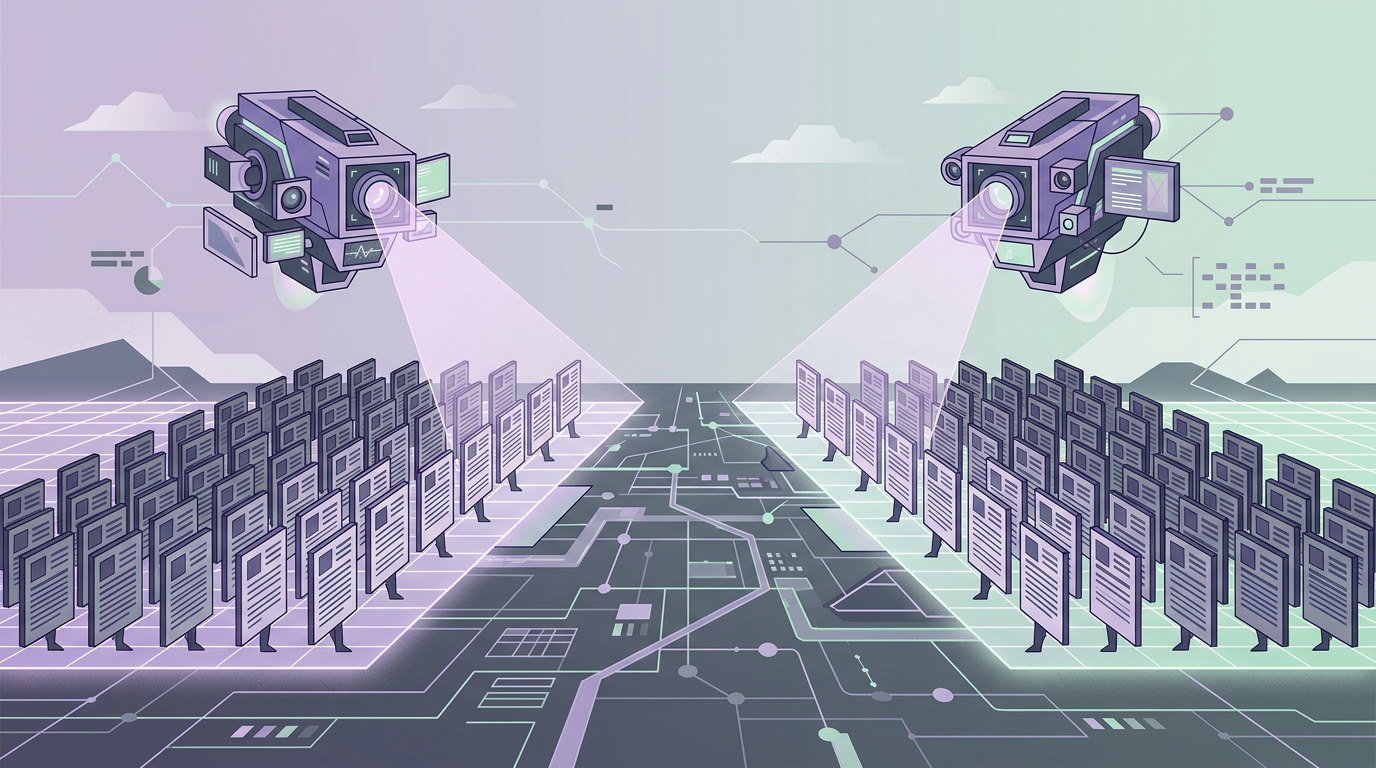
سباق تسلح لا يربحه أحد
أخبرتنا مسؤولة توظيف في شركة تقنية خليجية كبرى بشيء لم ننسه: "كنت أتلقى 200 طلب لكل وظيفة. الآن أتلقى 1,200. الجودة لم ترتفع. بل أصبح العثور على الشخص المناسب أصعب."
لم تكن تشتكي من الذكاء الاصطناعي بحد ذاته. كانت تصف ما يحدث حين يتسلح الجميع بنفس الأدوات في الوقت نفسه.
الصورة واضحة: المرشحون يستخدمون ChatGPT وعشرات أدوات الذكاء الاصطناعي لتوليد سير ذاتية مُحسّنة بالكلمات المفتاحية ومنسقة بشكل مثالي. الشركات تستخدم أنظمة تتبع المتقدمين (ATS) المدعومة بالذكاء الاصطناعي لفرز تلك السير. النتيجة؟ سباق تسلح متصاعد يكتب فيه الذكاء الاصطناعي للذكاء الاصطناعي، ويجلس البشر على الهامش، ويصبح التوظيف أبطأ لا أسرع.
نحن بنينا تدوين، منصة ذكاء اصطناعي للمسار المهني. نحن جزء من هذه المنظومة. ونعتقد أن المسار الحالي مكسور.
الأرقام لا تكذب
منذ إطلاق ChatGPT أواخر 2022، ارتفعت أحجام طلبات التوظيف بمعدل 3 إلى 5 أضعاف عبر مختلف القطاعات. خاصية "التقديم السريع" في LinkedIn سهّلت التقديم بنقرة واحدة قبل سنوات، لكن الذكاء الاصطناعي التوليدي أزال العائق الأخير: كتابة السيرة الذاتية وخطاب التقديم.
الحساب بسيط. إذا كانت كتابة سيرة ذاتية مخصصة تستغرق 45 دقيقة، والذكاء الاصطناعي يختصرها إلى 3 دقائق، فإن المرشح الذي كان يتقدم لـ 10 وظائف أسبوعياً يمكنه الآن التقدم لـ 150. اضرب ذلك في ملايين الباحثين عن عمل، وستحصل على طوفان.
لكن التوظيف لم يصبح أسرع. مقاييس "الوقت حتى شغل الوظيفة" ارتفعت فعلياً في كثير من المؤسسات. المسؤولون الذين كانوا يراجعون 50 سيرة ذاتية لكل وظيفة يواجهون الآن مئات الوثائق المتطابقة تقريباً والمُحسّنة بشكل مثالي.
أحجام الطلبات ارتفعت 3-5 أضعاف. سرعة التوظيف لم تتغير. هناك خلل جوهري في هذه المعادلة.
أنظمة ATS صُممت لعالم مختلف
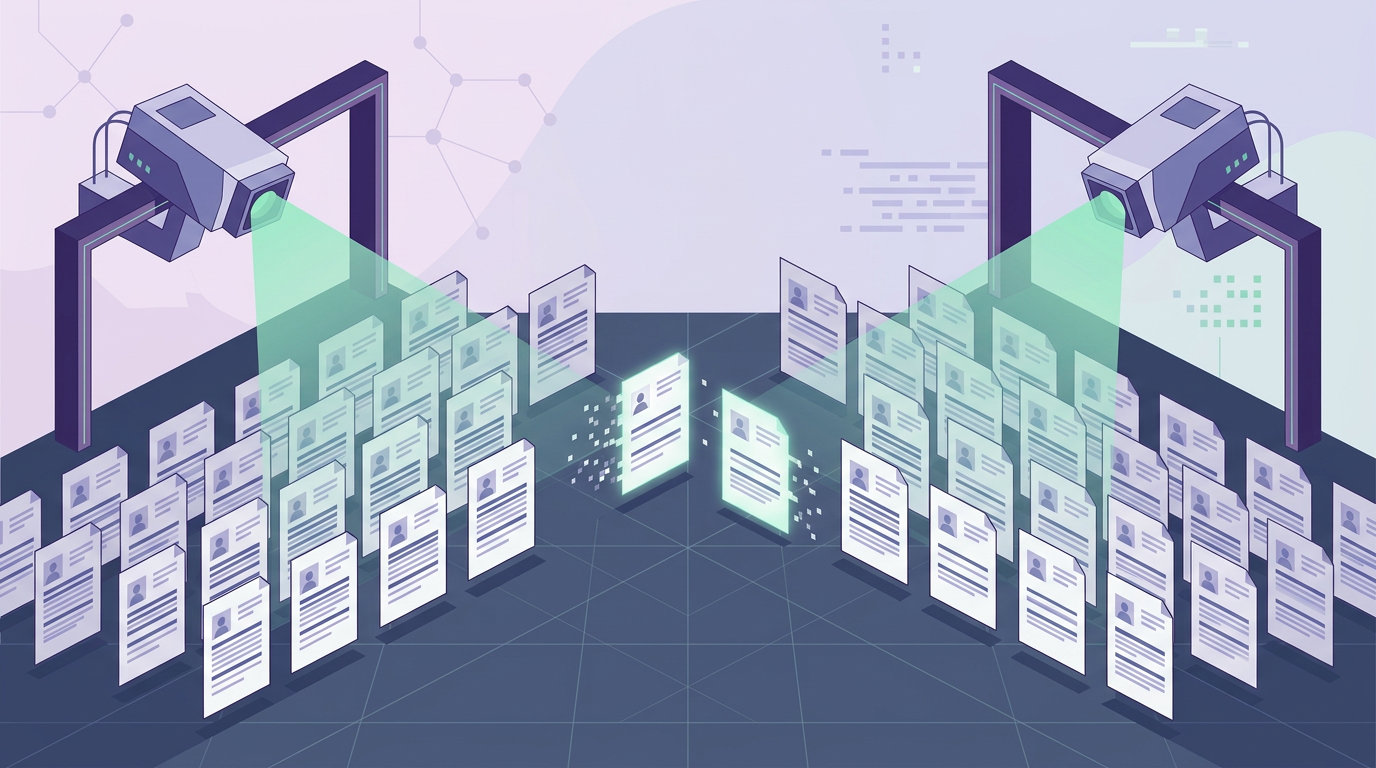
صُممت أنظمة تتبع المتقدمين في حقبة كانت فيها السير الذاتية وثائق مصنوعة يدوياً بتنوع بشري حقيقي. كانت خوارزميات ATS قادرة على ترتيب المرشحين بشكل ذي معنى لأن السير الذاتية عكست فروقاً حقيقية في طريقة وصف الناس لخبراتهم.
هذا الافتراض لم يعد صحيحاً.
حين يمرر كل مرشح سيرته الذاتية عبر نفس أدوات التحسين بالذكاء الاصطناعي، يتقارب المخرج. الكلمات المفتاحية تتطابق تماماً. التنسيق نظيف. النقاط تتبع نفس بنية "فعل + إنجاز + رقم". درجات ATS تتجمع في القمة، ويفقد النظام قدرته على التمييز.
بعض مزودي ATS يستجيبون بإضافة طبقات كشف الذكاء الاصطناعي. آخرون يبنون نماذج تقييم أكثر تعقيداً. لكن هذا مجرد دورة أخرى في حلقة سباق التسلح: كشف أفضل يقود إلى تهرب أفضل، ونعود إلى نقطة البداية.
المشكلة الجوهرية ليست التقنية. المشكلة أننا نُحسّن القطعة الخاطئة. السيرة الذاتية وثيقة نصية ثابتة تدّعي تمثيل قيمتك المهنية. لم تُصمم أبداً لتكون الفلتر الأساسي لقرارات التوظيف، ولم تُصمم بالتأكيد لتنجو من سباق تسلح بين ذكاءين اصطناعيين.
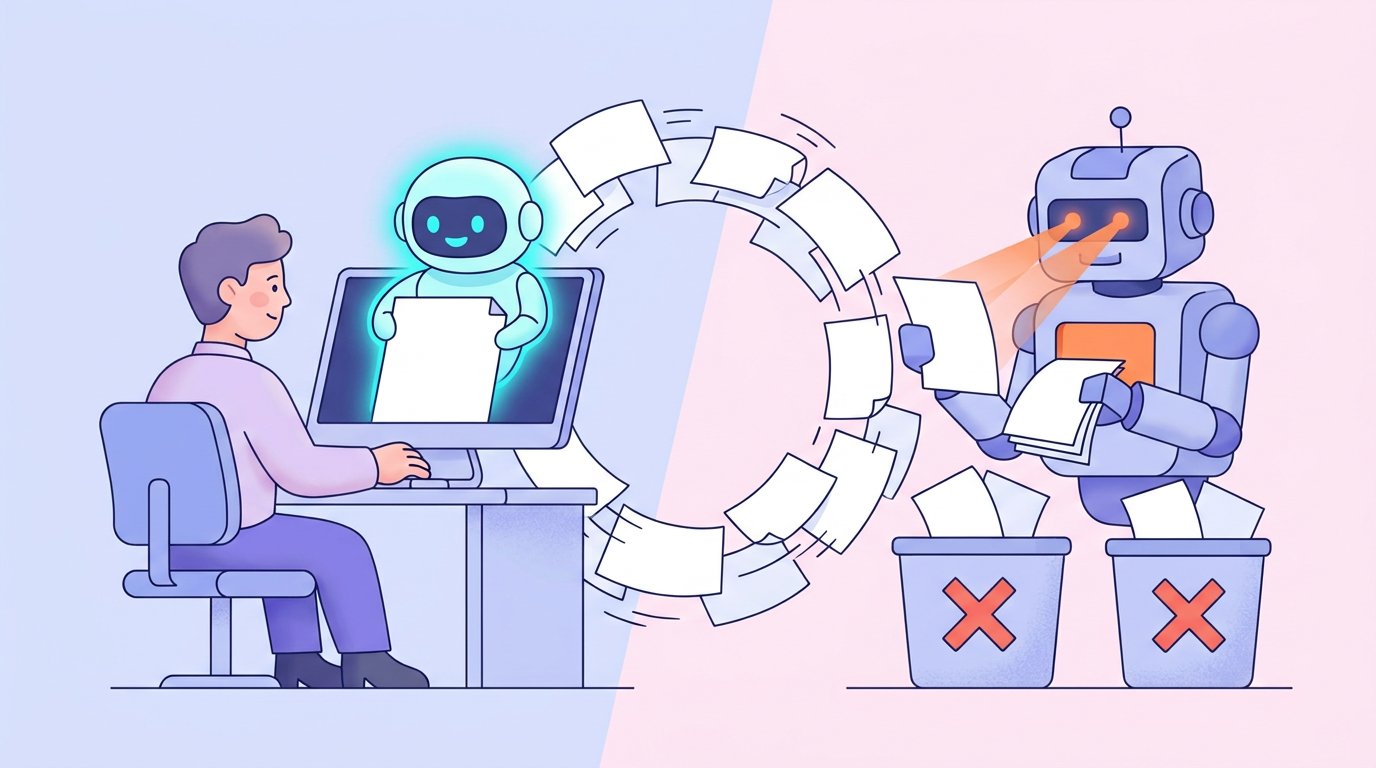
سباق تسلح السير الذاتية: المرشحون يُحسّنون للآلات، والآلات تُحسّن ضد المرشحين، والدورة تتسارع.
مفارقة السير الذاتية المثالية
هذا ما يخبرنا به مسؤولو التوظيف في منطقة الشرق الأوسط وشمال أفريقيا: السير الذاتية تبدو أفضل من أي وقت مضى، لكنها أصبحت شبه عديمة الفائدة لاتخاذ قرارات التوظيف.
حين تُصقل كل سيرة ذاتية بنفس المعيار، لا تبرز أي منها. وصف مسؤول توظيف أول في بنك إماراتي التجربة بأنها أشبه بقراءة نفس السيرة الذاتية 300 مرة بأسماء مختلفة في الأعلى.
هذا يخلق مشاكل متتالية:
- ارتفاع الإيجابيات الكاذبة: مرشحون تبالغ سيرهم الذاتية المصقولة بالذكاء الاصطناعي في قدراتهم الفعلية يجتازون الفرز، ويهدرون مواعيد المقابلات، ويرفعون تكلفة التوظيف.
- ضياع المرشحين الأقوياء: أصحاب الخبرة الحقيقية لكن بسير ذاتية أقل تحسيناً يُفرزون مع الضوضاء.
- تسارع إرهاق المُوظِّفين: حين تبدو كل سيرة ذاتية متطابقة، يبدأ المراجعون باتخاذ قرارات أسرع وأكثر عشوائية.
- تعمّق إحباط المرشحين: الباحثون عن عمل يرسلون مئات الطلبات دون رد، ويستنتجون أن النظام معطل. وهم محقون.
المفارقة لاذعة: أدوات صُممت لمساعدة المرشحين على التميز جعلت الجميع غير مرئيين.
الثورة المضادة بدأت بالفعل
المؤسسات الأذكى في التوظيف لا تحارب سباق التسلح. إنها تخرج منه كلياً.
نرى اتجاهاً مضاداً واضحاً، خاصة بين شركات التقنية والشركات الناشئة والمؤسسات المتطلعة في الخليج:
- التوظيف عبر التوصيات أولاً: الشركات توجه 40-60% من التعيينات عبر برامج توصيات الموظفين، متجاوزة كومة السير الذاتية كلياً. وفي منطقة الخليج، حيث تحمل العلاقات المهنية والشبكات وزناً ثقافياً كبيراً، هذا التحول يبدو طبيعياً.
- تقييمات عينات العمل: بدلاً من السؤال عما فعلته، تطلب الشركات أن تُري ما تستطيع فعله. مشاريع منزلية ومراجعات محافظ أعمال وجلسات حل مشكلات حية.
- التوظيف القائم على المهارات: جهات حكومية في الإمارات وبرامج رؤية السعودية 2030 تتحول نحو أطر الكفاءات التي تقيّم المهارات المُثبتة لا كلمات السيرة الذاتية.
- المقدمات المرئية: ردود فيديو قصيرة تتيح لمديري التوظيف تقييم التواصل والشخصية والملاءمة الثقافية قبل الالتزام بجولة مقابلات كاملة.
- أدلة المحفظة والمشاريع: المنصات التي تعرض منتجات عمل فعلية ومساهمات برمجية ومحافظ تصميم ودراسات حالة تصبح طبقة الفرز الجديدة.
القاسم المشترك: هذه الأساليب تقيّم ما يستطيع المرشح فعله فعلاً، لا ما يستطيع الذكاء الاصطناعي كتابته عنه.
السياق المهني أهم من نص السيرة الذاتية
هذه الرؤية الجوهرية التي قادت بناء تدوين: مسيرتك المهنية ليست وثيقة. إنها كيان حي متطور من الخبرات والمهارات والقرارات والطموحات. السيرة الذاتية تلتقط ربما 5% من هذا السياق، مجمدة في لحظة زمنية واحدة.
ماذا لو بُنيت قرارات التوظيف على سياقك المهني الكامل بدلاً من ملف نصي مُحسّن بالكلمات المفتاحية؟
السياق المهني يشمل:
- المسار: ليس فقط أين أنت الآن، بل من أين أتيت وإلى أين تتجه. مهندس برمجيات ينتقل لإدارة المنتجات يروي قصة مختلفة جذرياً عن آخر يصعد سلم التخصص التقني.
- الأدلة: منتجات عمل فعلية، نتائج مشاريع، ومساهمات قابلة للقياس. ليس مجرد ادعاءات منسقة كنقاط.
- التوافق: كيف تتوافق مهاراتك وقيمك وأهدافك المهنية مع ما تحتاجه مؤسسة محددة فعلاً. ليس فقط ما برمج نظام ATS لديهم لفرزه.
- واقع المسارات المتعددة: المهنيون في منطقة الشرق الأوسط يديرون بشكل متزايد عدة مسارات مهنية في آن واحد. مدير تسويق يدير أيضاً ممارسة استشارية ويحاضر في جامعة لديه ثلاث روايات مهنية مختلفة. سيرة ذاتية واحدة لا تستطيع احتواء ذلك.
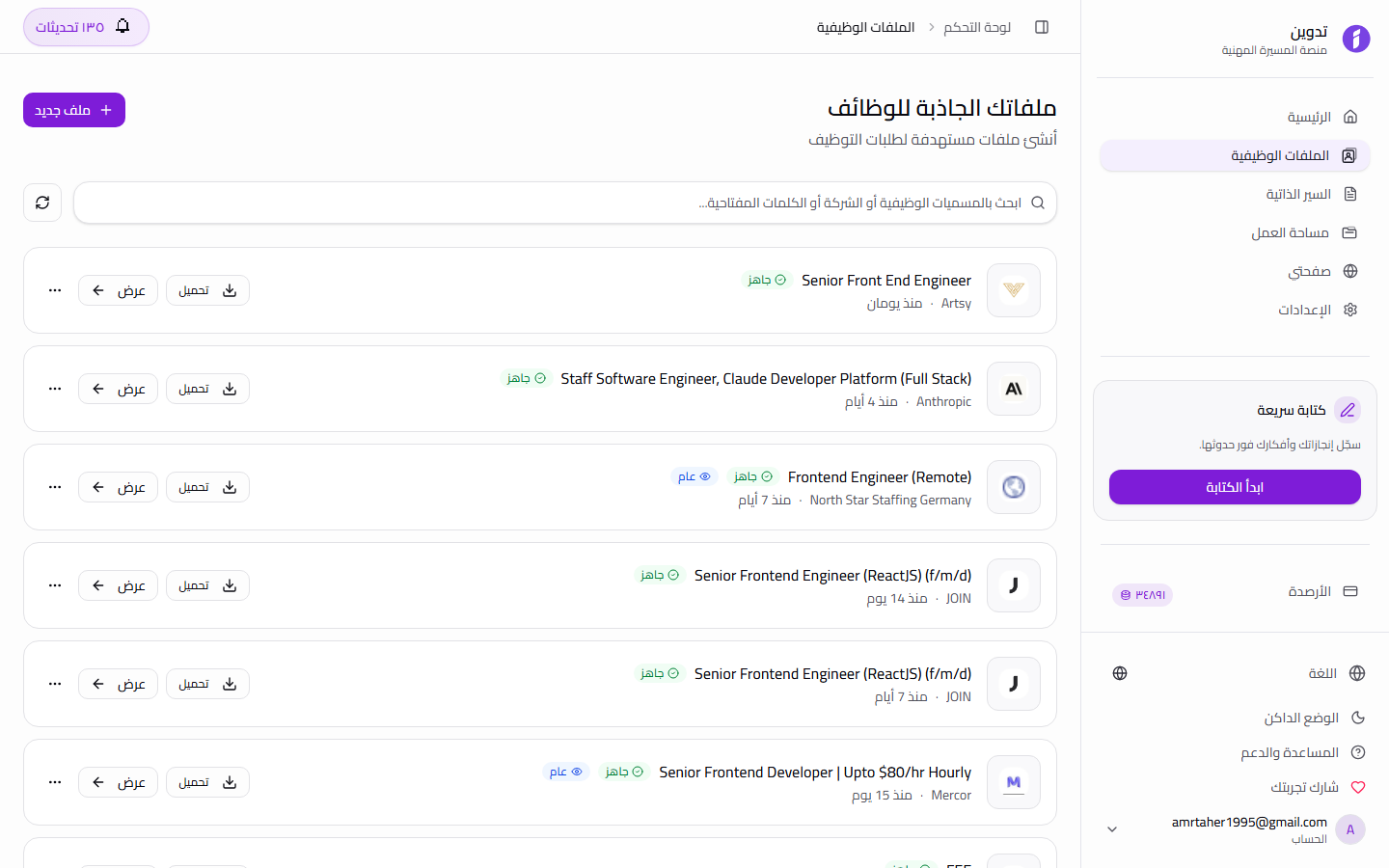
ملفات العمل في تدوين تلتقط سياقك المهني الكامل، لا مجرد كلمات مفتاحية. كل ملف يتكيف مع دور محدد مع عكس خبرتك الحقيقية.
ما الذي يحل محل السيرة الذاتية؟
السيرة الذاتية لن تختفي بين ليلة وضحاها. إنها متجذرة بعمق في بنية التوظيف. لكن دورها يتحول من فلتر أساسي إلى وثيقة مساندة، قطعة واحدة من ملف مهني أكبر بكثير.
إليك ما يبدو عليه الجيل القادم من التمثيل المهني:
الملفات المهنية بدلاً من السير الذاتية
ملفات ديناميكية غنية بالسياق تتحدث مع تطور مسيرتك، لا وثائق ثابتة تعيد كتابتها كل ستة أشهر. ملفك المهني يتضمن مسارك ومهاراتك مع أدلتها وأهدافك المهنية.
أدلة العمل بدلاً من الادعاءات
لقطات شاشة ودراسات حالة ومستودعات برمجية ومحافظ تصميم ومنشورات ووثائق مشاريع تُثبت ما أنجزته. "رفعت الإيرادات 30%" تعني شيئاً مختلفاً حين تدعمها دراسة حالة موثقة مقارنة بنقطة في سيرة ذاتية.
المطابقة الذكية بدلاً من تحسين الكلمات المفتاحية
بدلاً من تحسين سيرتك الذاتية لتتطابق مع وصف وظيفي، أنظمة مطابقة ذكية تفهم سياقك المهني الكامل وتربطك بفرص متوافقة حقاً. الذكاء الاصطناعي يعمل لصالحك لا ضدك.
صفحات مهنية عامة بدلاً من ملفات تعريف عامة
صفحات مهنية مخصصة تتحكم بها أنت، تعرض روايتك المهنية بشروطك، وتخدم كمرجع شامل لأي شخص يقيّم ترشحك.
ما الذي نفعله بشكل مختلف في تدوين
سنكون غير صادقين لو تظاهرنا أننا لسنا جزءاً من هذه المنظومة. تدوين يستخدم الذكاء الاصطناعي لمساعدة المهنيين في بناء السير الذاتية وخطابات التقديم والوثائق المهنية. نحن، تقنياً، نساهم في جانب العرض من سباق التسلح.
لكن إليك ما نفعله بشكل مختلف: نبني تدوين كـمنصة إدارة مسار مهني، لا مصنع سير ذاتية.
حين تستخدم تدوين، لا تحصل فقط على سيرة ذاتية مصقولة. تبني ملفاً مهنياً شاملاً يلتقط سياقك المهني الكامل. تنشئ ملفات خاصة بكل وظيفة تشرح توافقك الفعلي مع الدور، لا مجرد تطابق كلمات مفتاحية. تحتفظ بصفحة محفظة أعمال تعرض عملاً حقيقياً. وتدير مسارات مهنية متعددة في آن واحد، لأن هكذا يعمل المهنيون المعاصرون فعلاً.
السيرة الذاتية تصبح مخرجاً واحداً من عدة مخرجات، تُولّد من سياقك المهني عند الحاجة، ومخصصة لفرص محددة، ومدعومة بالأدلة في ملفك الأوسع.
نعتقد أن المستقبل للمهنيين الذين يستطيعون سرد قصة مهنية متكاملة، لا فقط من يملكون أفضل مهارات كتابة أوامر الذكاء الاصطناعي.
مسيرتك المهنية أكبر من وثيقة. حان الوقت أن تعكس أدواتك ذلك.
ابدأ ببناء ملفك المهني برصيد مجاني. بدون بطاقة ائتمان، بدون اشتراك.
الأسئلة الشائعة
هل سترفض أنظمة ATS السير الذاتية المولّدة بالذكاء الاصطناعي؟
ليس تلقائياً، لكنها تفشل بشكل متزايد في تمييز المرشحين. حين تحصل كل سيرة ذاتية على 95+ في مطابقة الكلمات المفتاحية، يفقد ATS قدرته على الترتيب بشكل ذي معنى. النتيجة أن سيرتك الذاتية المُحسّنة تجتاز الفلتر لكنها تهبط في كومة من 500 وثيقة مُحسّنة بنفس الدرجة.
هل يجب أن أتوقف عن استخدام الذكاء الاصطناعي لكتابة سيرتي الذاتية؟
لا. الذكاء الاصطناعي أداة صياغة قوية. المشكلة في استخدامه كبديل عن التمثيل المهني الحقيقي. استخدمه لهيكلة وتحسين محتواك، لكن تأكد أن الجوهر يعكس خبرتك الحقيقية وإنجازاتك المحددة وصوتك المهني الأصيل.
ما الفرق بين السيرة الذاتية والملف المهني؟
السيرة الذاتية وثيقة ثابتة موحدة. الملف المهني تمثيل حي وشامل لهويتك المهنية: مسارك، مهاراتك مع أدلتها، أهدافك المهنية، وعينات عملك. تدوين يتيح لك توليد سير ذاتية مخصصة لكل دور من ملفك المهني، فيكون كل طلب مُفصّلاً ومبنياً على سياقك الحقيقي.
هل تبتعد الشركات فعلاً عن التوظيف القائم على السيرة الذاتية؟
نعم، خاصة في أدوار العمل المعرفي. التوظيف القائم على المهارات وتقييمات عينات العمل ومراجعات المحافظ تنمو في منطقة الشرق الأوسط وعالمياً. السير الذاتية لن تختفي كلياً، لكن دورها يتحول من فلتر أساسي إلى وثيقة مساندة.
كيف يتعامل تدوين مع هذا الموضوع بشكل مختلف؟
تدوين منصة إدارة مسار مهني، لا مولّد سير ذاتية. تبني ملفاً مهنياً كاملاً بمسارات عمل متعددة وأدلة مهارات وصفحة محفظة أعمال عامة. حين تحتاج سيرة ذاتية، يولّدها تدوين من سياقك المهني مُفصّلة للدور المحدد. كما تحصل على دعم أصيل للعربية والإنجليزية مع تنسيق RTL سليم.
مسيرتك المهنية أكبر من سيرة ذاتية
ابنِ ملفاً مهنياً شاملاً يلتقط قصتك المهنية كاملة. ولّد سيراً ذاتية مُفصّلة حين تحتاجها، مدعومة بسياق مهني حقيقي. رصيد مجاني للبدء، ثنائي اللغة، بدون اشتراك.