
الفرق بين تصديق الشهادة والاعتراف بها للعمل في الإمارات والسعودية
أجب عن أربعة أسئلة لتعرف الإجراء المطلوب قبل دفع أي رسوم أو رفع مستنداتك الشخصية أو تأخير طلب التوظيف.
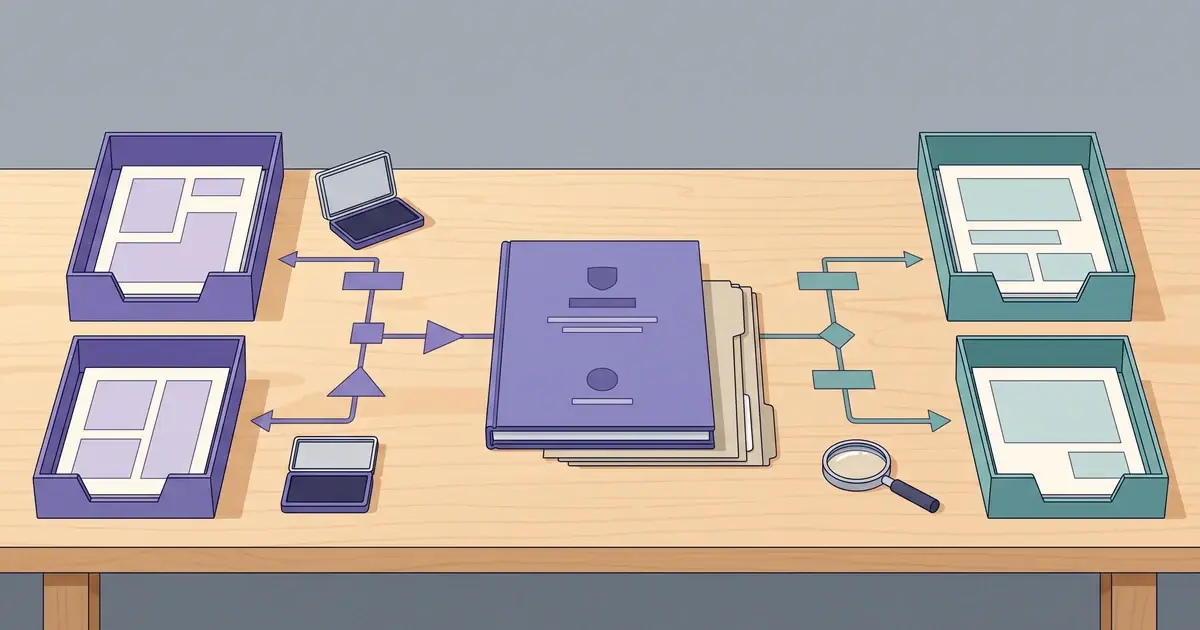
قد يبدو طلب شهادة مصدّقة مهمة ورقية بسيطة، لكنه قد يعني التحقق من صحة المؤهل، أو الاعتراف الحكومي به، أو معادلته في السعودية، أو استيفاء متطلب لتصريح العمل، أو التسجيل لدى جهة مهنية. هذه إجراءات مختلفة تجيب عن أسئلة مختلفة، وإتمام أحدها لا يعني تلقائيًا إتمام البقية.
البداية الأكثر أمانًا ليست قائمة المستندات، بل الجهة التي طلبت الوثيقة. اطلب منها أن تذكر كتابةً اسم الخدمة الرسمي، والجهة التي تصدر النتيجة، والغرض منها، والموعد المطلوب. بعد ذلك طابق الطلب مع الصفحة الحكومية الحالية. فالمسار قد يختلف بحسب بلد الوظيفة، وبلد إصدار المؤهل، وصاحب الطلب، والقطاع، والمهنة.
قبل أن تبدأ، حدّد أربع حقائق: أين تقع الوظيفة؟ أين صدر المؤهل؟ من طلب الوثيقة؟ ولأي غرض ستُستخدم؟
ابدأ بأربعة أسئلة
- في أي بلد تقع الوظيفة؟ الطلب في الإمارات يقود إلى جهات ومصطلحات تختلف عن الطلب في السعودية.
- أين صدر المؤهل؟ المؤهل الصادر خارج بلد الوظيفة قد يدخل مسار المؤهلات الأجنبية، بينما قد يكون للمؤهل المحلي مسار اعتراف أو تحقق مختلف.
- من طلب الوثيقة؟ صاحب العمل، وممثل تصريح العمل، والجامعة، ونظام التوظيف الحكومي، والجهة المنظمة للمهنة لا يطلبون بالضرورة النتيجة نفسها.
- ما الاسم الدقيق للوثيقة المطلوبة؟ اطلب اسم الخدمة والجهة والغرض، وهل النتيجة المطلوبة تصديقًا أم تقرير تحقق أم تقرير اعتراف أم قرار معادلة أم ترخيصًا مهنيًا.
اكتب الإجابات الأربع في صفحة واحدة قبل فتح أي بوابة. إذا لم يستطع صاحب العمل تحديد الجهة، اسأل الوزارة المعنية أو منظم المهنة بدل الاعتماد على تجربة متقدم آخر. قد تكون تجربة شخص من جنسية مختلفة أو بمؤهل صادر من بلد آخر أو في مهنة أخرى صحيحة، لكنها لا تنطبق على حالتك.
أربعة مصطلحات لا يصح تبديلها
تستخدم النصائح غير الرسمية هذه الكلمات أحيانًا كأنها مترادفات. ليست كذلك، كما يتغير المصطلح العربي الرسمي بحسب سياق كل دولة.
- التصديق أو التوثيق، Attestation or Authentication: يثبت سلسلة التواقيع أو الأختام أو الجهات المصدرة للوثيقة. لكنه لا يحسم وحده كيفية الاعتراف بالمؤهل أكاديميًا أو مهنيًا.
- التحقق من صحة المؤهل، Authenticity Verification: يفحص أن الشهادة ومصدرها حقيقيان. وقد يكون خطوة ضمن الاعتراف، إلا أن نتيجة التحقق ليست بالضرورة قرار الاعتراف النهائي.
- الاعتراف بالمؤهل أو معادلة المؤهل، Recognition or Equivalency: يقيّم كيفية استخدام المؤهل ومكانته في نظام بلد الوجهة. تستخدم الخدمات الإماراتية مصطلح الاعتراف، بينما تسمي وزارة التعليم السعودية خدمتها للمؤهلات الصادرة خارج المملكة معادلة المؤهلات.
- الترخيص أو التصنيف المهني، Professional Licensing: قرار خاص بالمهنة تصدره جهة منظمة. الاعتراف الأكاديمي بالمؤهل لا يمنح تلقائيًا حق مزاولة مهنة منظمة.

تعامل مع التصديق والتحقق من الصحة والاعتراف أو المعادلة والترخيص المهني باعتبارها أربع نقاط فحص مستقلة.
مسار الإمارات: ابدأ ببلد إصدار المؤهل
إذا صدر مؤهل التعليم العالي من خارج الإمارات، فالمفهوم الرسمي المحوري هو الاعتراف بالمؤهل. يعرّف القرار الوزاري رقم 34 لسنة 2025 الاعتراف بأنه التحقق من صحة المؤهل واعتماد المؤسسة المانحة وتوافق المؤهل مع إطار المؤهلات الوطني والنظام التعليمي في الدولة، بما يسمح باستخدامه لأغراض مثل التوظيف أو التدرج الوظيفي أو استكمال الدراسة. ويسري القرار على المؤهلات الصادرة من مؤسسات تعليمية معتمدة خارج الدولة. يمكن الرجوع إلى النص العربي الرسمي للقرار، أما النسخة الإنجليزية فموسومة بأنها ترجمة غير رسمية.
تفصل الرحلة الحالية لوزارة التعليم العالي والبحث العلمي بين التحقق من صحة المؤهل وبين تقرير الاعتراف الصادر عن الوزارة. توضح صفحة طلب الاعتراف بالمؤهل أن المتقدم يبدأ بالتحقق من صحة الشهادة من خلال شريك معتمد لدى الوزارة، ثم يتقدم للحصول على تقرير الاعتراف. وتذكر الصفحة حاليًا أن التقرير يصدر خلال يومي عمل إذا استوفيت جميع الشروط. قد تتغير قائمة الشركاء ورسوم التحقق ومددهم، لذلك انتقل إلى الشريك من صفحة الوزارة الحية، لا من إشارة مرجعية قديمة أو رسالة محولة أو إعلان بحث.
أما المؤهل الصادر من مؤسسة داخل الإمارات فهو فرع مختلف. في 8 أبريل 2026 أعلنت الوزارة أن مبادرة الاعتراف التلقائي شملت 38 مؤسسة تعليم عالٍ داخل الدولة، مع آلية تحقق رقمية عبر رمز استجابة سريعة معتمد. وأوضحت أن المبادرة ما زالت تتوسع. لذلك اعتبر العدد والقائمة بيانات متغيرة، وراجع الإعلان الرسمي الحالي بدل افتراض أن كل مؤهل صادر داخل الإمارات يدخل المسار التلقائي نفسه.
الاعتراف لا يضمن وظيفة أو تصريح عمل أو تأشيرة أو تصنيفًا للراتب أو قبول صاحب العمل أو ترخيصًا مهنيًا. فهو يجيب عن سؤال الوزارة المتعلق بالمؤهل، ثم تبقى على صاحب الطلب أو الجهة المنظمة مسؤولية توضيح ما يلزم للدور المحدد.
مسار السعودية: استخدم خدمة وزارة التعليم للمؤهلات الخارجية
اسم الخدمة الرسمية في السعودية هو معادلة المؤهلات الصادرة من خارج المملكة العربية السعودية. توضح صفحة وزارة التعليم أنها مخصصة للشهادات العلمية التي حصل عليها أصحابها من خارج المملكة، وأن الفحص يشمل شروطًا تتعلق بالمؤسسة والبرنامج والمؤهلات السابقة ونمط الدراسة والمستندات المرفوعة. تختلف التفاصيل باختلاف الدرجة والحالة، فلا تختصر المسار في شهادة واحدة أو ختم واحد.
تذكر الصفحة الحية حاليًا أن الخدمة مجانية، وأن الوقت المتوقع لإغلاق الطلب خمسة أيام عمل. وتسرد مستندات شائعة مثل الهوية الوطنية، وجواز السفر، وشهادة البكالوريوس، وكشف الدرجات، وكشف الساعات المحولة، والسنة التحضيرية عند انطباقها، وكشف سنة الامتياز، ووثائق أخرى. هذه فئات إرشادية وليست حزمة واحدة لازمة للجميع. اتبع القائمة التي تظهر لحالتك يوم التقديم، واحتفظ برقم الطلب لمتابعته.
معادلة المؤهل ليست شرطًا عامًا لكل وظيفة في السعودية. اسأل من يطلبها ولماذا. قد يطبق صاحب العمل سياسة توظيف داخلية، وقد يفرض نظام حكومي مرفقًا معينًا، وقد تحتاج المهنة المنظمة إلى تصنيف أو تسجيل منفصل.
متطلبات التوظيف ليست حالة واحدة
يقدم نظام توظيف وزارة الصحة السعودية مثالًا واضحًا على أهمية تحديد القطاع. تنص اتفاقية نظام التوظيف الحالية على أن التقديم للوظائف الطبية والصحية يتطلب إرفاق شهادة تصنيف وبطاقة تسجيل صادرتين من الهيئة السعودية للتخصصات الصحية. كما تنص على أن المرشح غير السعودي يرفق مؤهلًا معادلًا ومصدقًا من التعليم العالي. هذا متطلب لنظام توظيف وزارة الصحة وفي هذا السياق، وليس دليلًا على أن جميع وظائف القطاع الخاص أو الوظائف غير الصحية في المملكة تتبع القاعدة نفسها.
طبّق الحذر نفسه في الإمارات. فقد يطلب ممثل تصريح العمل أو صاحب العمل الحكومي أو الجامعة أو منظم المهنة وثيقة مختلفة. اطلب من الجهة تسمية السلطة والغرض، ثم طابق الإجابة مع الخدمة الحكومية الحية.
قبل الدفع أو رفع المستندات
- اطلب الاسم الدقيق للخدمة بالعربية أو الإنجليزية، والجهة التي تصدر نتيجتها.
- اسأل عن الغرض: ملف صاحب العمل، أو تصريح العمل، أو التأشيرة، أو الدراسة، أو تصنيف الراتب، أو التسجيل المهني.
- افتح الخدمة من نطاق حكومي رسمي. تنتهي المواقع الحكومية السعودية الرسمية بـ gov.sa. وفي الإمارات ابدأ من دليل خدمات وزارة التعليم العالي والبحث العلمي أو صفحة الاعتراف.
- إذا طُلب شريك تحقق خارجي، انتقل إليه من الصفحة الحكومية الحالية. تأكد من اسم الخدمة والرسوم والعملة والمدة وسياسة الاسترداد قبل الدفع.
- احتفظ بالإيصالات والأرقام المرجعية ورسائل التأكيد ونسخة من قائمة المتطلبات التي اتبعتها.
لا تنشر جواز السفر أو الهوية أو كشف الدرجات أو الشهادة أو رقم الطلب أو إيصال الدفع في منتدى عام. ولا ترفعها عبر رابط وصلك فقط في محادثة أو إعلان غير رسمي. إذا تعذر تتبع الرابط إلى الجهة المسماة، توقف وتحقق.
جهّز حزمة مستندات تحمي خصوصيتك
أنشئ مجلدًا خاصًا للطلب، لا رابط مشاركة عامًا. قد تشمل الفئات الشائعة شهادة المؤهل، وكشف الدرجات، والمؤهل السابق، والهوية، وصفحة جواز السفر، وإثبات تغيير الاسم عند الحاجة، وبيانات الساعات المحولة، وسجل التدريب، والترجمات المعتمدة. لكن القائمة الرسمية الحية هي التي تحدد المطلوب فعليًا.
راجع تطابق الأسماء والتواريخ وأسماء المؤسسات ومسميات الدرجات بين المستندات. إذا وجدت اختلافًا، اسأل الجهة كيف توثقه. لا تعدّل مستندًا أصليًا ليبدو متطابقًا. استخدم نسخًا واضحة تظهر كامل حدود الصفحة، واحتفظ بالأصول إذا طلبتها الجهة.
ماذا تفعل عندما لا تكون الإجابة واضحة؟
أرسل سؤالًا قصيرًا مكتوبًا إلى صاحب العمل أو ممثله المعتمد:
يرجى تأكيد اسم الوثيقة أو الخدمة المطلوبة، والجهة التي تصدرها، والغرض منها ضمن عملية التوظيف، والموعد المطلوب. صدر مؤهلي من [البلد]، والوظيفة في [البلد والقطاع].
إذا كان الطلب يتعلق بمهنة منظمة، تواصل مع الجهة المهنية إلى جانب صاحب العمل. وإذا تعلق بالاعتراف أو المعادلة، استخدم قناة الاستفسار أو الدعم التابعة للوزارة. لا تخمّن بناءً على حالة قديمة لزميل.
خلاصة القرار
- حدّد بلد الوظيفة وبلد إصدار المؤهل.
- سمّ الجهة الطالبة والغرض من الوثيقة.
- افصل بين التصديق والتحقق من الصحة والاعتراف أو المعادلة والترخيص المهني.
- افتح الخدمة الرسمية الحالية واتبع قائمتها الحية.
- تحقق من أي شريك عبر الصفحة الرسمية قبل الدفع.
- احمِ مستنداتك الشخصية واحتفظ بسجل لكل عملية إرسال.
قد تتغير الإجراءات الرسمية. راجع صفحات وزارة التعليم العالي والبحث العلمي الإماراتية ووزارة التعليم السعودية قبل التقديم، خصوصًا إذا عدت إلى هذا الدليل بعد 16 نوفمبر 2026. يقدم هذا الدليل توجيهًا إداريًا عامًا، وليس استشارة قانونية أو تعليمية أو هجرية أو مهنية.
أسئلة شائعة
هل تصديق الشهادة هو نفسه الاعتراف أو المعادلة؟
لا. التصديق أو التوثيق يثبت سلسلة الوثيقة والجهات التي اعتمدتها، أما الاعتراف أو المعادلة فيقيّم كيفية استخدام المؤهل في نظام بلد الوجهة. وقد يكون التحقق من الصحة خطوة ضمن الاعتراف، بينما يبقى الترخيص المهني إجراءً مستقلًا.
هل تحتاج كل وظيفة في الإمارات إلى تقرير اعتراف؟
لا توجد قاعدة عامة لكل الوظائف. يعتمد المسار على بلد إصدار المؤهل، والجهة التي طلبت النتيجة، والغرض منها، ووجود جهة منظمة للمهنة. اطلب من صاحب الطلب تسمية الخدمة والسلطة المختصة.
هل تحتاج كل وظيفة في السعودية إلى معادلة المؤهل؟
لا. لدى وزارة التعليم خدمة رسمية لمعادلة المؤهلات الصادرة من خارج المملكة، لكن صاحب العمل أو نظام التوظيف الحكومي أو منظم المهنة هو من يحدد إن كانت النتيجة مطلوبة في حالتك.
هل يمكنني استخدام وكيل أو شريك للتحقق؟
استخدم فقط شريكًا تصل إليه من الصفحة الرسمية الحالية للجهة. تحقق من الخدمة والرسوم والمدة وسياسة الاسترداد قبل الدفع، ولا ترفع وثائق الهوية أو التعليم عبر رابط غير موثوق.
أكد الجهة قبل أن تبدأ
إجابة مكتوبة واحدة عن اسم الخدمة والجهة والغرض والموعد قد تمنع دفعًا خاطئًا أو رفعًا غير ضروري للمستندات.