
كيف تتحقق من صحة عرض عمل في الإمارات أو السعودية قبل القبول
ابدأ من المسار الرسمي، وقارن الشروط المهمة، وتوقف بأمان عندما لا تتطابق التفاصيل.
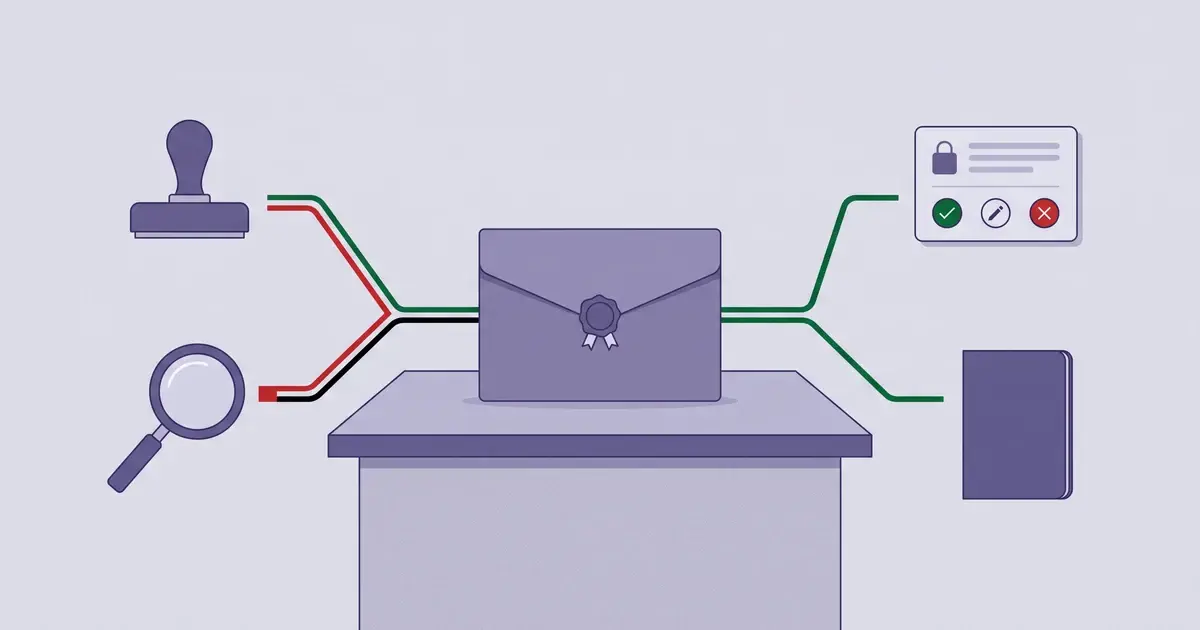
قد يبدو عرض العمل مقنعًا، ومع ذلك تبقى أسئلة أساسية بلا جواب: هل الشركة هي فعلًا من أرسلت العرض؟ هل توجد معاملة رسمية؟ وهل العقد مطابق لما وُعدت به؟ قبل أن تستقيل أو تسافر أو تدفع أي مبلغ أو ترسل مستندات حساسة إضافية، أبطئ الخطوات. احتفظ بالعرض والرسائل وتفاصيل المقابلات في مكان واحد، ثم تحقق من جهة العمل والسجل الرسمي عبر روابط تصل إليها بنفسك.
وجود سجل رسمي خطوة تحقق مهمة، لكنه لا يضمن جودة بيئة العمل أو صدور التأشيرة مستقبلًا أو حسن تصرف كل شخص في العملية. اعتبره طبقة من عدة طبقات لاتخاذ قرار متأنٍ.
ابدأ بفحوص تنطبق على البلدين
تحقق أولًا من صاحب العمل خارج الرسالة التي حملت العرض. ابحث بنفسك عن موقع الشركة ورقمها الرئيسي ونطاق بريدها الرسمي، ثم تواصل عبر هذه البيانات واسأل عن المسمى الوظيفي واسم مسؤول التوظيف وصحة العرض. لا تعتمد وحده على رقم هاتف أو رابط أو عنوان مكتوب داخل رسالة العرض.
أعد بناء مسار التوظيف من البداية. دوّن من قابلك، وما الذي نوقش، وأي كيان قانوني سيوظفك، ولماذا تغيرت قناة التواصل إن حدث ذلك. الانتقال المفاجئ من بريد شركة إلى حساب محادثة شخصي ليس دليلًا قاطعًا على الاحتيال، لكنه سبب كافٍ للتوقف والتحقق قبل أي خطوة لا يمكن التراجع عنها.
اطلب شروطًا مكتوبة تستطيع مقارنتها. حدّد على الأقل الاسم القانوني لصاحب العمل، والمسمى، ومكان العمل، والراتب والبدلات، وساعات العمل، ومدة العقد، وفترة التجربة، والإشعار، وتاريخ البدء، والجهة التي تتحمل أي تكاليف مذكورة. لا تسمح للاستعجال أن يحل محل الوضوح. إذا طُلب منك الدفع فورًا أو الاستقالة اليوم أو السفر قبل مراجعة سجل رسمي، فتوقف.
الإمارات: تحقق من العرض عبر وزارة الموارد البشرية والتوطين
بالنسبة إلى وظيفة في القطاع الخاص تقع ضمن نطاق وزارة الموارد البشرية والتوطين، توضح حكومة الإمارات أن المتقدم ينبغي أن يحصل على عرض عمل صادر عبر الوزارة، وأنه يستطيع التحقق من صحته باستخدام الرقم المرجعي عبر خدمة الاستعلام. كما توضح أن تأشيرة الزيارة أو السياحة لا تمنح حق العمل، وأن صاحب العمل مسؤول عن نفقات الاستقدام وفق الإرشادات العمالية الإماراتية. راجع التفاصيل الحالية في الإرشادات الرسمية للوقاية من الاحتيال في العمل والتأشيرات.
افتح بنفسك خدمة خدمات عروض وعقود العمل التابعة للوزارة. تعرض الصفحة الرسمية الثنائية اللغة حاليًا خيارات منها عرض عمل وحالات متعددة لعقود تصاريح العمل. وتطلب شاشة «عرض عقد العمل» رقم المعاملة ورقم جواز السفر والجنسية وتاريخ الميلاد ورمز التحقق. لا تدخل هذه البيانات إلا بعد التأكد من أنك على النطاق الحكومي الرسمي، ولا ترسلها إلى وسيط كي يجري الفحص نيابة عنك.
افصل بين المراحل. عرض العمل يسجل الشروط المقترحة. تصريح العمل جزء من مسار الإذن بالتوظيف. عقد العمل هو الاتفاق الرسمي، والموافقة على الهجرة أو التأشيرة مرحلة أخرى. تصف صفحة حكومة الإمارات عن عروض العمل وإجراءات التوظيف التسلسل الحالي بأنه عرض رسمي ثم عقد عمل ثم تصريح عمل ثم تأشيرة عمل، وتوضح أن عقد العمل ينبغي أن يقوم على العرض الذي قبله الطرفان.
قارن السجل الموجود لدى الوزارة بالوثيقة التي وصلتك. راجع صاحب العمل القانوني والمسمى ومكونات الراتب والموقع ومدة العقد وأي شروط إضافية. إذا كان العرض موجودًا لكن التفاصيل مختلفة، فلا تعتبر الرقم المرجعي موافقة على هذا الاختلاف. احفظ النسخ، واطلب تصحيحًا كتابيًا عبر بيانات اتصال مستقلة، واستخدم قنوات دعم الوزارة الرسمية إن بقي التناقض.
السعودية: راجع العقد في قوى أفراد
المسار الرسمي لإدارة العقود في السعودية هو منصة قوى. تذكر وزارة الموارد البشرية والتنمية الاجتماعية أنه بعد إنشاء المنشأة للعقد الوظيفي، يستطيع الموظف الموافقة على العقد أو رفضه أو طلب تعديله عبر حسابه في قوى أفراد. وعند موافقة الطرفين يصبح العقد موثقًا ومعتمدًا من الوزارة. راجع المسار الحالي في صفحة الوزارة الرسمية عن إدارة العقود، ثم انتقل إلى قوى عبر تلك الصفحة الحكومية أو عبر علامة مرجعية موثوقة لديك.
اقرأ العقد كاملًا قبل اختيار الإجراء. تسرد صفحة الخدمة حقولًا مثل المسمى الوظيفي ومدة العقد وساعات العمل والالتزامات المالية والبنود الإضافية. قارنها بالعرض المكتوب وملاحظات المقابلة، وراجع كذلك اسم المنشأة ومكان العمل وشروط المباشرة ومكونات الأجر وفترة التجربة والإجازات والإشعار وأي بند ينقل تكلفة أو التزامًا إليك.
إذا كان العقد صحيحًا، فالموافقة خطوة في مسار التوثيق الرسمي وليست وعدًا بكل ما سيحدث لاحقًا. إذا كان هناك خطأ قابل للتصحيح، اطلب التعديل داخل المسار الرسمي واحتفظ بالرد المكتوب. وإذا كانت المنشأة أو الوظيفة غير التي قبلتها، فارفض الطلب أو أوقفه وتواصل مع الدعم الرسمي. لا توافق اعتمادًا على وعد بأن السجل سيُصحح بعد ذلك.
ماذا تفعل عندما لا تتطابق المستندات؟
الاختلاف يستدعي التوقف، لا المواجهة. التقط صورًا للشاشة أو نزّل نسخًا من الحساب الرسمي مع تسجيل التاريخ، ثم اكتب الفروق بلغة واضحة. تواصل مع الشركة عبر رقم أو بريد وجدته بصورة مستقلة واطلب تفسيرًا أو تصحيحًا مكتوبًا. لا ترسل رقم الجواز أو البيانات البنكية أو رمز الاستخدام لمرة واحدة في ردك.
إذا بقي الرد غامضًا، فاستخدم مسار الدعم الموجود على الموقع الحكومي الذي فتحته بنفسك. اشرح القدر الضروري فقط ولا تنشر المستندات الشخصية علنًا. وإذا احتجت إلى رأي قانوني أو مساعدة تتعلق بالهجرة أو بمبلغ دفعته بالفعل، فارجع إلى مختص محلي مؤهل أو الجهة الحكومية المعنية. هذا المقال قائمة تحقق وليس استشارة قانونية.
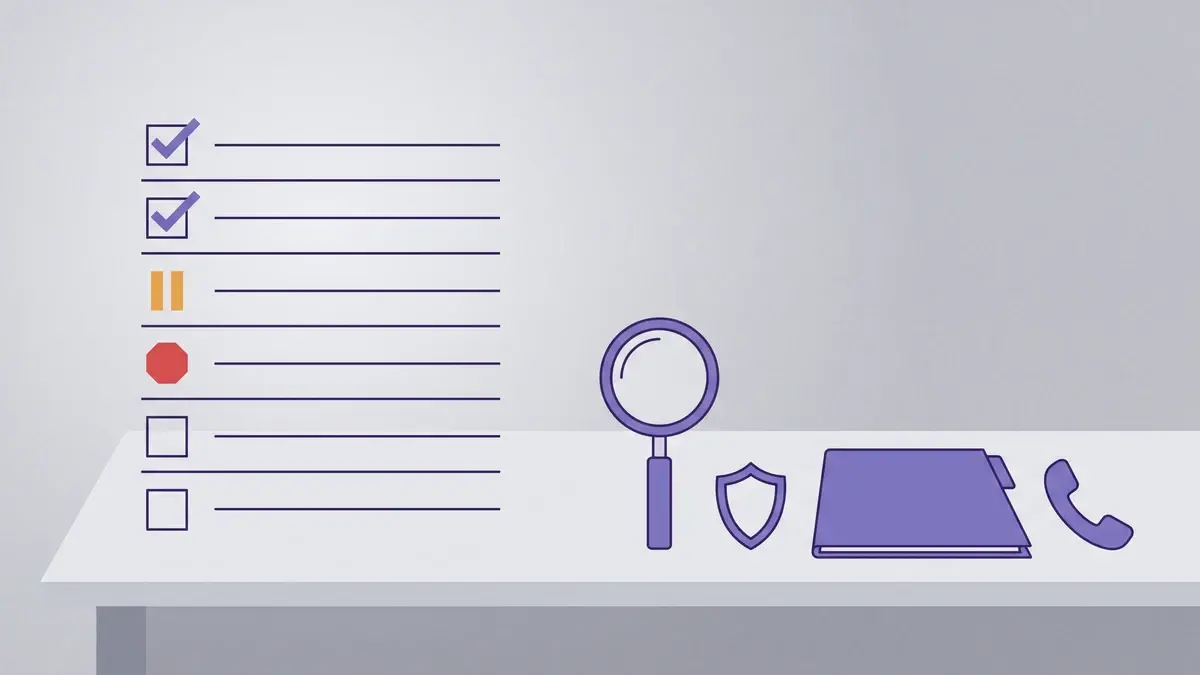
اتبع هذا التسلسل قبل خطوة لا يمكن التراجع عنها: سجل رسمي، وصاحب عمل مؤكد بصورة مستقلة، وشروط متطابقة، وتكاليف واضحة، ووضع عمل صحيح، ومسار دعم رسمي.
تعامل بحذر مع طلبات الرسوم
تقر إرشادات منظمة العمل الدولية للتوظيف العادل بمبدأ ألا يتحمل العامل، مباشرة أو بصورة غير مباشرة، رسوم التوظيف أو التكاليف المرتبطة به. هذا معيار دولي، وليس حكمًا بأن كل دفعة تعامل بالطريقة نفسها في كل بلد أو لكل فئة من العاملين. ارجع إلى مبادئ منظمة العمل الدولية وتعريف رسوم التوظيف للاطلاع على مصدر هذا الضمان.
أما في الإمارات، فتنص صفحة الوقاية من الاحتيال المشار إليها على أن صاحب العمل مسؤول عن نفقات الاستقدام وفق الإرشادات العمالية الإماراتية. إذا طلب منك شخص مبلغًا مقابل التوظيف أو عرض العمل أو تصريح العمل أو المعالجة أو المعدات أو التدريب أو السفر أو أي بند آخر، فلا تحكم من اسم البند وحده. اطلب الأساس النظامي وفاتورة رسمية والهوية القانونية للجهة المستفيدة وتأكيدًا مكتوبًا عبر قناة رسمية، ثم تحقق من القاعدة الخاصة ببلدك ودورك وفئة العامل التي تنتمي إليها قبل الدفع.
قائمة قرار: تابع أو توقف مؤقتًا أو أنهِ التفاعل
تابع إلى خطوة التحقق التالية عندما تجد السجل الرسمي بنفسك، وتتأكد من صاحب العمل عبر قناة مستقلة، وتتطابق الشروط المهمة. استمر في حفظ النسخ ومراجعة كل مرحلة لاحقة لأن العرض والعقد والتصريح والتأشيرة سجلات منفصلة.
توقف مؤقتًا واطلب التصحيح عندما تكون الشركة حقيقية لكن السجل الرسمي مفقود أو ناقص أو مختلف عما قبلته. اطلب التصحيح كتابة، وتأكد من ظهوره في النظام الرسمي قبل الموافقة أو اتخاذ قرار لا يمكن الرجوع عنه.
أنه التفاعل واطلب مساعدة رسمية عندما لا تستطيع التأكد من صاحب العمل، أو يظهر في المسار الرسمي كيان أو دور مختلف، أو يطلب منك شخص بيانات دخول حساسة أو رمزًا لمرة واحدة، أو يحل الضغط للدفع أو السفر محل التوثيق القابل للتحقق.
- العثور على عرض أو عقد رسمي عبر مسار حكومي فتحته بنفسك
- التأكد من الشركة ومسؤول التوظيف عبر بيانات اتصال مستقلة
- تطابق الكيان القانوني والمسمى والموقع والراتب والساعات والمدة والبنود الإضافية
- عدم وجود دفعة غير مفسرة أو تحويل إلى حساب شخصي
- وجود مسار صحيح لتصريح العمل من دون طلب العمل بتأشيرة زيارة أو سياحة
- حفظ النسخ ومعرفة قناة الدعم الرسمية
ملاحظة زمنية: أُعيد التحقق من المسارات الرسمية وأوصاف الخدمات المرتبطة هنا في 15 أغسطس 2026. قد تتغير الإجراءات الحكومية، لذلك افتح صفحات المصادر من جديد قبل الاعتماد على أي خطوة.
توقف، تحقق، ثم قرر
الإجراء الحقيقي يحتمل الفحص المتأني. احتفظ بأدلتك واستخدم المسار الرسمي قبل أي خطوة لا يمكن التراجع عنها.