
أنظمة تتبع المتقدمين معطّلة: كيف أصبحت أكبر عائق أمام التوظيف الناجح
صُمّمت لاستقبال 50 طلباً لكل وظيفة، والآن تغرق بأكثر من 500 طلب. النظام الذي بُني ليجد أفضل المرشحين أصبح يرفضهم. حان وقت التغيير.

نظام لم يُصمَّم لهذا الواقع
عندما ظهرت أنظمة تتبع المتقدمين (ATS) لأول مرة في أواخر التسعينيات، كان الإعلان الوظيفي العادي يستقطب بين 30 و50 متقدماً. كانت هذه الأنظمة أشبه بخزانة ملفات رقمية: تحفظ السير الذاتية، تصنّفها حسب الوظيفة، وتسترجعها عند الحاجة. لم تكن تتخذ قرارات التوظيف. البشر كانوا يفعلون ذلك.
اليوم في 2026، وظيفة تسويق متوسطة المستوى في شركة خليجية تستقطب بين 500 و1,200 طلب. زر "التقديم السريع" في لينكد إن، وسياسات العمل عن بُعد، وأدوات التقديم المدعومة بالذكاء الاصطناعي أزالت كل عائق بين الباحث عن عمل وزر "إرسال". خزانة الملفات أصبح مطلوباً منها أن تكون صانعة القرار.
وهي تفشل في ذلك. بشكل ذريع.
إذا تقدمت لوظائف مؤخراً ولم تسمع أي رد، إذا تساءلت عما إذا كانت سيرتك الذاتية قد اختفت في ثقب أسود، فأنت لا تتخيل الأمر. النظام الذي يقف بينك وبين مدير التوظيف معطّل بطرق تضر بالجميع: المرشحين، ومسؤولي التوظيف، والشركات التي تعتمد على استقطاب الكفاءات المناسبة.
آلة الرفض الكبرى
جوهر المشكلة: أنظمة ATS صُمّمت للفلترة، لا للفهم.
معظم أنظمة التتبع تعمل عبر تحليل سيرتك الذاتية إلى حقول بيانات منظمة، ثم مطابقة هذه الحقول مع الوصف الوظيفي باستخدام خوارزميات الكلمات المفتاحية. إذا كتبت "إدارة المشاريع" وكان الوصف الوظيفي يذكر "إدارة المشاريع"، تحصل على نقطة. أما إذا كتبت "قيادة فرق متعددة التخصصات" بدلاً من ذلك، فقد لا تحصل عليها.
يبدو هذا معقولاً حتى تدرك ما يعنيه عملياً. مهندس برمجيات بخبرة 10 سنوات يُرفض لأن سيرته الذاتية تكتب "React.js" بدلاً من "ReactJS". مديرة تسويق تُستبعد لأن ملف سيرتها الذاتية بصيغة .pages بدلاً من .docx. محلل مالي بمؤهلات ممتازة لا يصل أبداً إلى إنسان لأن قالب سيرته الذاتية يستخدم تصميماً من عمودين لا يستطيع المحلّل قراءته.
هذه ليست حالات استثنائية. هذا هو الواقع اليومي.
نظام ATS العادي يرفض 75% من المتقدمين قبل أن يراهم إنسان. من بين هؤلاء المرفوضين، نسبة كبيرة هم مرشحون مؤهلون استُبعدوا بسبب التنسيق أو صيغة الملف أو عدم تطابق الكلمات المفتاحية، وليس بسبب نقص في المهارات.
النظام الذي صُمّم لإيجاد أفضل المرشحين أصبح أكبر عائق أمام العثور عليهم.
مفارقة السيرة الذاتية المدعومة بالذكاء الاصطناعي
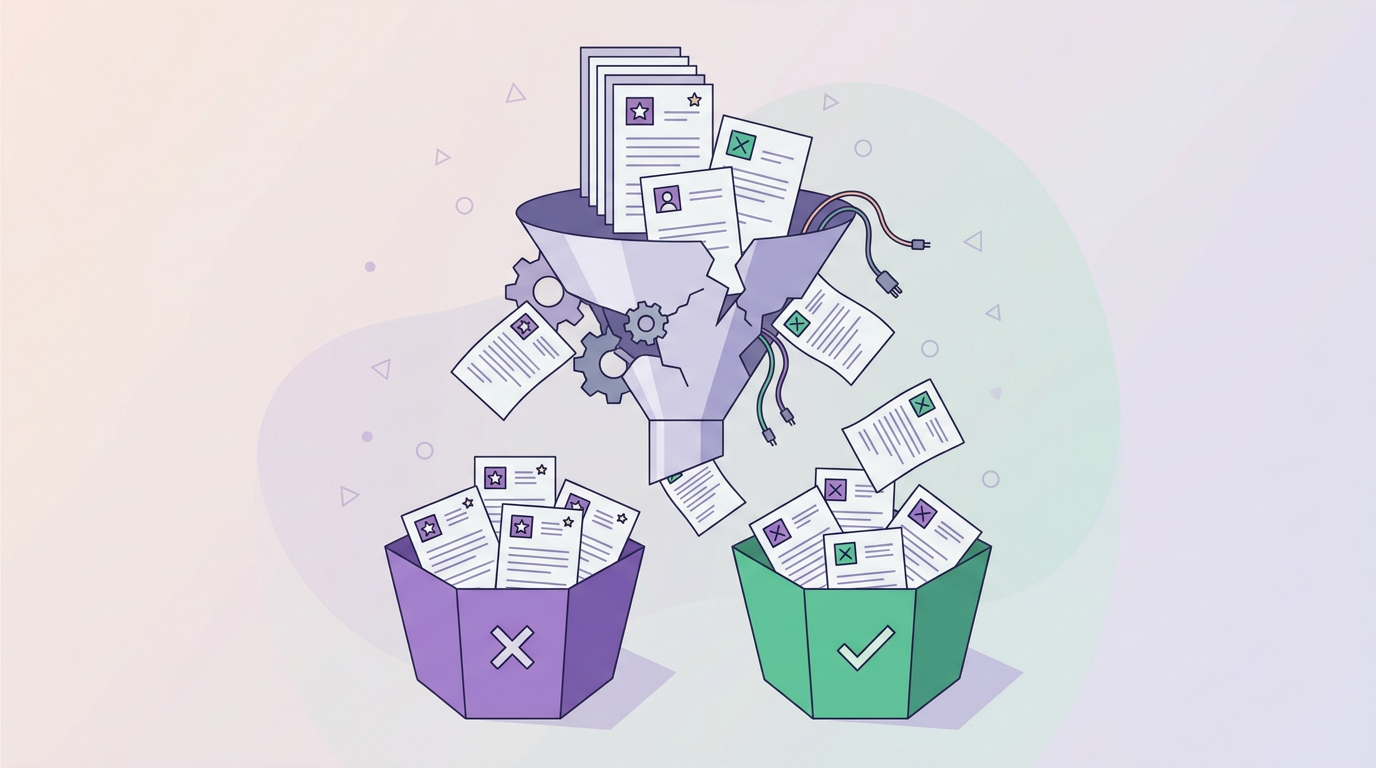

قمع ATS: مئات الطلبات تدخل، لكن الفلتر لا يميّز بين المؤهل وغير المؤهل. هو فقط يرفض ما لا يستطيع تحليله.
قد تظن أن أدوات السير الذاتية المدعومة بالذكاء الاصطناعي ستحل هذه المشكلة. لم تفعل. بل زادتها سوءاً.
عندما بدأ المرشحون باستخدام ChatGPT وأدوات متخصصة لتحسين سيرهم الذاتية لكلمات ATS المفتاحية، حدث شيء متوقع: أصبحت جميع السير الذاتية متشابهة. نفس أفعال الإنجاز. نفس كثافة الكلمات المفتاحية. نفس هيكل النقاط. نفس تنسيق الإنجازات الكمية.
الآن تواجه أنظمة ATS مشكلة جديدة. عندما يتجاوز 400 من أصل 500 سيرة ذاتية عتبة الكلمات المفتاحية، يصبح الفلتر عديم الفائدة. يعود مسؤولو التوظيف لمراجعة أكوام ضخمة من وثائق متطابقة تقريباً، والأسوأ أن حتى المرشحين غير المؤهلين أصبح لديهم سير ذاتية محسّنة بشكل مثالي لأن الذكاء الاصطناعي لا يعرف (ولا يهتم) ما إذا كانت الادعاءات صحيحة.
سباق تسلح السير الذاتية بالذكاء الاصطناعي خلق وضعاً حيث:
- المرشحون المؤهلون لا يبرزون لأن خبرتهم الحقيقية تبدو مطابقة للمحتوى المُولّد بالذكاء الاصطناعي
- المرشحون غير المؤهلين يتجاوزون الفلاتر لأن التحسين بالذكاء الاصطناعي يجعل كل سيرة ذاتية تبدو تنافسية
- مسؤولو التوظيف يثقون بنتائج ATS أقل ويضيفون خطوات مراجعة يدوية تبطئ التوظيف
- المرشحون يتقدمون لوظائف أكثر لأن معدلات الاستجابة تنخفض، مما يزيد حجم الطلبات أكثر
إنها دوامة هبوطية. المزيد من التحسين بالذكاء الاصطناعي يؤدي إلى فلترة أقل فائدة، مما يؤدي إلى المزيد من الطلبات، مما يؤدي إلى المزيد من الاعتماد على التحسين. لا أحد يربح.
الوظائف الوهمية: ملح على الجرح
كما لو أن فلاتر ATS المعطّلة لا تكفي، نسبة متزايدة من الإعلانات الوظيفية لا تقابلها وظائف حقيقية مفتوحة.
الشركات تنشر "وظائف وهمية" لأسباب متعددة: لبناء قواعد بيانات المواهب، لإظهار أنها تنمو، لقياس توقعات الرواتب في السوق، أو ببساطة لأن لا أحد كلّف نفسه بإزالة إعلان وظيفة تم شغلها. التقديرات تشير إلى أن 20-40% من الإعلانات الوظيفية على المنصات الكبرى هي وظائف تم شغلها فعلاً، أو مجمّدة، أو لم تكن حقيقية من الأساس.
بالنسبة للباحثين عن عمل، هذا يضاعف مشكلة ATS بشكل هائل. تقضي وقتاً في تخصيص سيرتك الذاتية. تحسّن الكلمات المفتاحية. تتبع كل الممارسات الأفضل. ترسل طلبك. ولا شيء يحدث. ليس لأن ATS رفضك، وليس لأنك غير مؤهل، بل لأن الوظيفة لم تكن موجودة.
الأثر النفسي حقيقي. عندما تتقدم لـ 200 وظيفة وتسمع من ثلاث فقط، تفترض أنك تفعل شيئاً خاطئاً. في كثير من الأحيان، النظام هو من يفعل شيئاً خاطئاً.
ماذا تفعل أفضل الشركات بدلاً من ذلك
المؤسسات التي توظف بفعالية في 2026 توقفت إلى حد كبير عن الاعتماد على ATS كأداة فرز أساسية. إليك ما يحل محلها:
التوظيف عبر الترشيحات أولاً
الشركات في منطقة الخليج والشرق الأوسط توجّه 40-60% من توظيفاتها عبر برامج ترشيح منظمة. عندما يؤكد موظف حالي كفاءة مرشح ما، تتجاوز مسرحية مطابقة الكلمات المفتاحية بالكامل. الترشيح بحد ذاته إشارة لا تستطيع أي خوارزمية ATS تكرارها.
تقييم عيّنات العمل
بدلاً من مطالبة المرشحين بوصف ما فعلوه في وثيقة منسقة، الشركات المتقدمة تطلب منهم إثبات ذلك عملياً. المشاريع التطبيقية، وجلسات حل المشكلات، ومراجعة الأعمال السابقة أصبحت أدوات فرز معيارية، خاصة في أدوار التقنية والتصميم والتسويق.
التقييم القائم على المهارات
مبادرات رؤية 2030 في السعودية ودفع الإمارات نحو اقتصاد المعرفة سرّعا التحول نحو أطر الكفاءات. هذه الأطر تقيّم المهارات المُثبتة بدلاً من كلمات السيرة الذاتية المفتاحية، وتركز على ما يستطيع المرشح فعله فعلاً بدلاً من مدى إتقانه لتنسيق وثيقة عنه.
ملفات المسيرة المهنية بدلاً من السير الذاتية
الشركات التقدمية تطلب صفحات مهنية، ومعارض أعمال، وأدلة عمل بدلاً من (أو إلى جانب) السير الذاتية التقليدية. دراسة حالة موثّقة عن كيفية تنمية منتج من صفر إلى 10,000 مستخدم تخبر مدير التوظيف أكثر مما تستطيع أي نقطة في سيرة ذاتية.
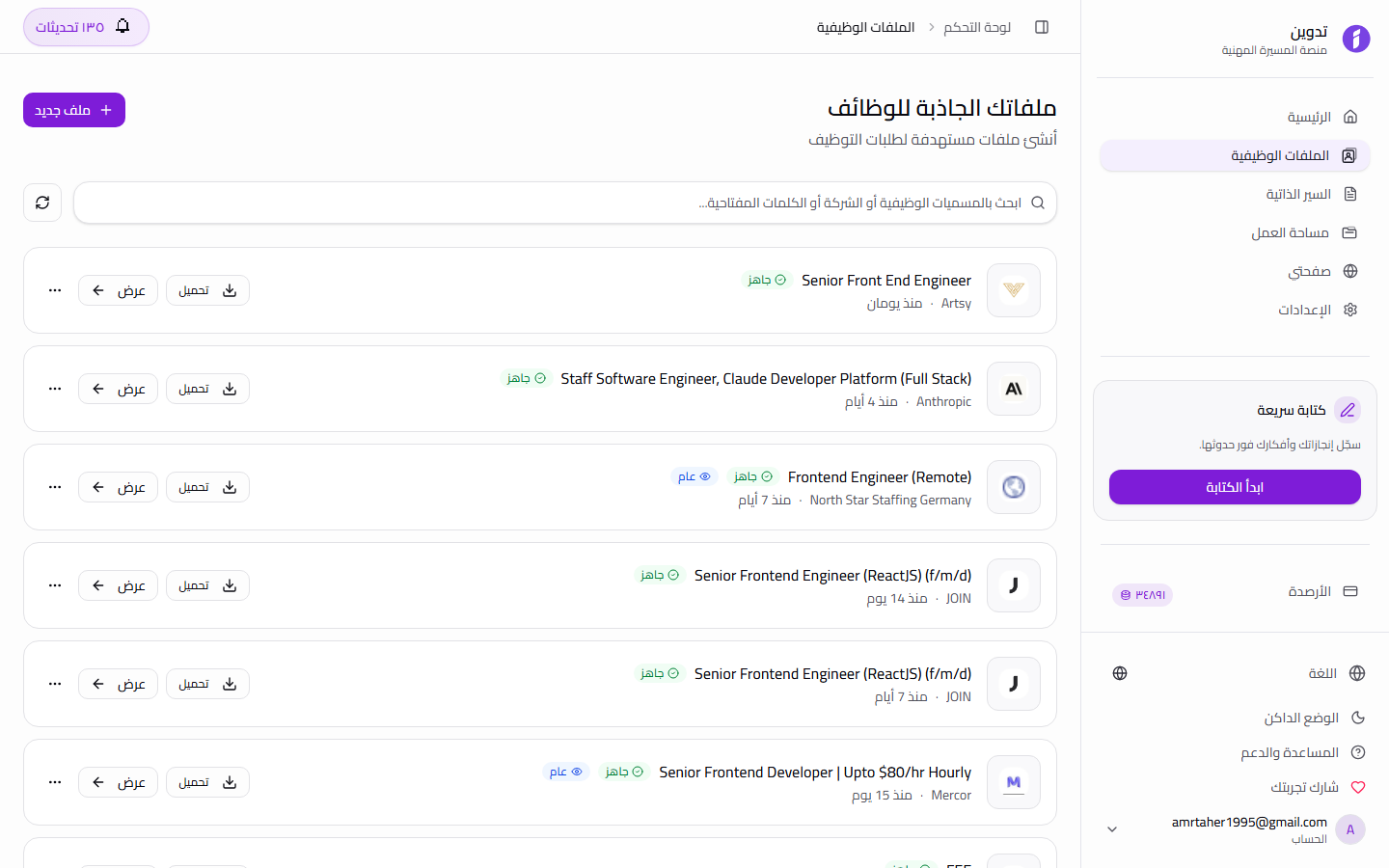
ملفات الوظائف في تدوين تلتقط سياقك المهني الكامل: المهارات، والمسار، والأدلة. كل ملف يروي القصة التي لا تستطيع سيرة ذاتية محشوة بالكلمات المفتاحية روايتها.
المستقبل: من الوثائق إلى الملفات الديناميكية
السيرة الذاتية كما نعرفها في فصلها الأخير. ليس لأن أحداً سيتقاعدها رسمياً، بل لأنها تُطغى عليها أشكال أغنى من التمثيل المهني.
إليك ما يظهر في الأفق:
مطابقة مهنية بالذكاء الاصطناعي تفهم السياق. بدلاً من مطابقة الكلمات المفتاحية بين سيرة ذاتية ووصف وظيفي، المنصات الجديدة تحلّل مسارك المهني بالكامل، وأدلة مهاراتك، وأهدافك لإيجاد فرص متوافقة حقاً. الذكاء الاصطناعي يعمل لصالحك، يوصلك بالأدوار التي ستنجح فيها فعلاً، وليس فقط الأدوار التي تتطابق كلماتك المفتاحية معها.
ملفات مهنية حيّة. ملفات ديناميكية تتطور مع مسيرتك، تلتقط ليس فقط أين كنت بل إلى أين تتجه. عندما يستعرض مسؤول توظيف ملفك، يرى مسارك، وأدلتك، وسردك المهني. ليس ملف PDF ثابت متأخر بثلاثة أشهر.
إدارة المسارات المهنية المتعددة. المهنيون في منطقة الشرق الأوسط يديرون مسارات مهنية متوازية بشكل متزايد. عالم بيانات يقدم استشارات أيضاً، مهندسة معمارية تدرّس أيضاً، مسوّق يدير مشروعاً جانبياً. المنصات الرابحة ستتعامل مع هويات مهنية متعددة بسلاسة، وهو شيء لم تُصمّم السيرة الذاتية من صفحة واحدة للتعامل معه أبداً.
هذا بالتحديد سبب بنائنا تدوين كمنصة إدارة مسيرة مهنية وليس مجرد مولّد سير ذاتية. ملفك المهني يصبح مصدر الحقيقة. السير الذاتية ورسائل التغطية ومواد التقديم تُولّد من هذا الملف عند الحاجة، مخصصة لأدوار محددة، ومدعومة بأدلة مسيرتك الفعلية.
قائمة البقاء: ما الذي تفعله الآن
النظام معطّل، لكنك لا تزال بحاجة للتعامل معه. إليك قائمة عملية للباحثين عن عمل للتعامل مع ATS في حالته الراهنة:
أساسيات التنسيق
- استخدم صيغة .docx أو .pdf ما لم يطلب التقديم صيغة أخرى تحديداً. تجنب .pages و.odt والـ PDF المبني على صور
- التزم بتصميم عمود واحد. السير الذاتية متعددة الأعمدة تكسر معظم محللات ATS
- استخدم عناوين أقسام معيارية: "الخبرة"، "التعليم"، "المهارات". العناوين الإبداعية مثل "رحلتي المهنية" تربك المحلّل
- تجنب الرؤوس والتذييلات ومربعات النص. معظم أنظمة ATS تتجاهل المحتوى في هذه المناطق
- لا رسومات أو أيقونات أو أشرطة تقدم لمستويات المهارات. ATS لا يستطيع قراءتها
استراتيجية الكلمات المفتاحية
- طابق لغة الوصف الوظيفي بالضبط. إذا قالوا "إدارة المشاريع"، لا تكتب "إدارة مشاريع متعددة"
- اذكر المصطلح الكامل والاختصار معاً: "تحسين محركات البحث (SEO)"، "إدارة علاقات العملاء (CRM)"
- ضع الكلمات المفتاحية الحاسمة في قسم الخبرة، وليس فقط في قائمة المهارات. كثير من أنظمة ATS تعطي وزناً أكبر للاستخدام السياقي
- لا تحشُ الكلمات المفتاحية. بعض الأنظمة تعاقب الكثافة غير الطبيعية
ما وراء السيرة الذاتية
- ابنِ ملفاً مهنياً على منصة مثل تدوين تلتقط سياقك المهني الكامل
- استثمر في الترشيحات. تواصل مع أشخاص في الشركات المستهدفة. مقدمة دافئة تتجاوز ATS بالكامل
- أنشئ أدلة عمل: دراسات حالة، معارض أعمال، توثيق مشاريع. عندما يبحث مسؤول التوظيف عن اسمك، أعطه شيئاً يجده
- تقدّم بشكل استراتيجي، لا عشوائي. عشرة طلبات مخصصة تتفوق على 100 طلب عام. في كل مرة
- تحقق من واقعية الوظيفة. إذا كان الإعلان منشوراً منذ أكثر من 90 يوماً، أو يحمل متطلبات غامضة، أو يذكر نطاق راتب غير واقعي، فقد يكون وظيفة وهمية. أعطِ الأولوية للإعلانات الحديثة من شركات توظف فعلاً
لا تستطيع إصلاح نظام معطّل من داخله. أفضل استراتيجية هي بناء حضورك المهني بحيث يصبح النظام قناة واحدة من عدة قنوات، وليس مسارك الوحيد نحو وظيفة.
ATS لن يختفي، لكن دوره يتقلّص
لنكن واضحين: أنظمة ATS لن تختفي. الشركات تحتاج أنظمة لإدارة الطلبات، وتتبع المرشحين عبر مراحل التوظيف، والحفاظ على سجلات الامتثال. هذه البنية التحتية لها قيمة.
ما يتغير هو الدور الذي يلعبه ATS في قرار التوظيف. عصر ATS كحارس بوابة أساسي، الخوارزمية التي تقرر ما إذا كان إنسان سيرى طلبك أصلاً، ينتهي. يُستبدَل بنموذج حيث يتعامل ATS مع الجوانب اللوجستية بينما يحدث التقييم الفعلي من خلال إشارات أغنى وأكثر معنى: معارض الأعمال، وعيّنات العمل، والملفات المهنية، والتقييمات المنظمة.
بالنسبة للباحثين عن عمل، الرسالة واضحة: حسّن سيرتك الذاتية لأنظمة ATS لأنك مضطر لذلك، لكن استثمر طاقتك الحقيقية في بناء حضور مهني لا يعتمد على محلّل كلمات مفتاحية ليُرى. ابنِ ملفك المهني. وثّق عملك. طوّر شبكة علاقاتك. اجعل نفسك قابلاً للاكتشاف عبر قنوات لا تستطيع أي خوارزمية حراستها.
النظام معطّل. لكن مسيرتك المهنية لا يجب أن تكون كذلك.
الأسئلة الشائعة
لماذا ترفض أنظمة ATS المرشحين المؤهلين؟
تستخدم أنظمة ATS مطابقة الكلمات المفتاحية وتحليل المستندات لفلترة المتقدمين. المرشحون المؤهلون يُرفضون لأسباب لا علاقة لها بمهاراتهم: صيغة ملف خاطئة (.pages بدلاً من .docx)، تصميم متعدد الأعمدة لا يستطيع المحلّل قراءته، كلمات مفتاحية مفقودة ("ReactJS" مقابل "React.js")، أو عناوين أقسام غير معيارية. النظام يفلتر التزام التنسيق، لا الكفاءة.
هل أستطيع التغلب على ATS بتحسين كلمات سيرتي الذاتية المفتاحية؟
يمكنك تحسين فرصك، لكنه سباق تسلح. عندما يحسّن الجميع لنفس الكلمات المفتاحية، تتجمع نتائج ATS في القمة ويتوقف الفلتر عن كونه مفيداً. تحسين الكلمات المفتاحية ضروري لكنه لم يعد كافياً. تحتاج أن تقرنه بالترشيحات، وأدلة العمل، وحضور مهني يتجاوز سيرتك الذاتية.
ما نسبة السير الذاتية التي تُرفض من ATS قبل أن يراها إنسان؟
تقديرات الصناعة تشير إلى أن 75% أو أكثر من الطلبات تُفلتَر قبل أن تصل إلى مسؤول التوظيف. بعض هذه الرفوضات مبررة (مرشحون غير مؤهلين)، لكن نسبة كبيرة هم أشخاص مؤهلون استُبعدوا بسبب مشاكل التنسيق أو عدم تطابق الكلمات المفتاحية أو أخطاء التحليل. الرقم الدقيق يختلف حسب الشركة ومزود ATS.
هل الوظائف الوهمية حقيقية، وكيف أكتشفها؟
نعم. التقديرات تشير إلى أن 20-40% من الإعلانات الوظيفية على المنصات الكبرى هي وظائف وهمية: مناصب تم شغلها فعلاً، أو مجمّدة، أو لم يكن المقصود شغلها أصلاً. علامات التحذير تشمل إعلانات نشطة لأكثر من 90 يوماً، ومتطلبات غامضة أو عامة، ونطاقات رواتب غير واقعية، وشركات تعيد النشر باستمرار. أعطِ الأولوية للإعلانات الحديثة من شركات لديها توظيفات حديثة مرئية.
كيف يساعد تدوين في مشكلة ATS؟
تدوين منصة إدارة مسيرة مهنية تساعدك على بناء ملف مهني شامل يتجاوز مجرد سيرة ذاتية. تحصل على سير ذاتية محسّنة لأنظمة ATS مُولّدة من سياقك المهني، بالإضافة إلى ملفات وظائف مخصصة، وصفحات معرض أعمال، ووثائق مهنية. الهدف هو جعل ATS قناة واحدة من عدة قنوات، وليس مسارك الوحيد نحو وظيفة. رصيد مجاني للبدء، ثنائي اللغة عربي وإنجليزي، بدون اشتراك.
مسيرتك المهنية تستحق أكثر من محلّل كلمات مفتاحية
ابنِ ملفاً مهنياً يلتقط قصتك الكاملة. أنشئ سيراً ذاتية محسّنة لأنظمة ATS عند الحاجة، مدعومة بأدلة وسياق حقيقي. رصيد مجاني للبدء، ثنائي اللغة، بدون اشتراك.